
- Role
- One of the lead designers
- Client
- Minijob-Zentrale via IBM iX
- Reach
- around 2.1 million employers
- Platforms
- Website · Minijob-Manager
- Duration
- More than a year
- Method
- Agile sprints · Scrum, design thinking
Germany's central authority for mini-jobs.
Visit website ↗Administration that feels simple.
Around 2.1 million employers deal with the Minijob-Zentrale, Germany's central authority for mini-jobs. Through the website and the Minijob-Manager they handle registrations, contributions and reports, and where letters used to go back and forth, there is now a digital inbox.
As one of the lead designers at IBM iX, I delivered the redesign of the website and the Minijob-Manager over more than a year, from research and user testing to responsive design, in close collaboration with the client and engineering. Further responsibilities included pitching and driving the move from Sketch to Figma midway through the project, onboarding and leading new designers, and shaping a new presence on social media.
The problem
Employers and the Minijob-Zentrale mostly communicated by letter, and information and forms were spread across several systems. Slow and expensive for both sides. The goal: one digital place to see everything at a glance and handle common tasks yourself.
My role
From user interviews, wireframes and prototypes through workshops and usability tests to responsive design, I steered the design process. Decisions were agreed within the team, and I regularly represented them to the client. I also onboarded and led new designers.
Collaboration
As a team, we worked closely with engineering, the product owner and the client, agile in Scrum, from requirements through concept and design to delivery. Regular user tests showed what worked, and their results fed straight into the next steps. That kept the product grounded in real needs, and nothing came as a surprise at handover.
An inbox instead of letters
The heart of it is the dashboard. It builds on data and requirements we gathered with the client beforehand: what employers need most often and where the most effort used to go. Exactly these functions are now right there at a glance, all fully digital. What used to take letters is now done in a few clicks.
Then there's the inbox. Everything you request comes back there, securely rather than by email. For employers who open the portal only a few times a year, everything is deliberately clear, calm and accessible.
From Sketch to Figma
Together with a fellow designer, I initiated the switch from Sketch to Figma. We saw a chance for faster processes and more modern collaboration, pitched the move to the client, won over our own team and then guided the migration. The result: faster handovers, closer collaboration and design quality that stays consistent across all platforms.
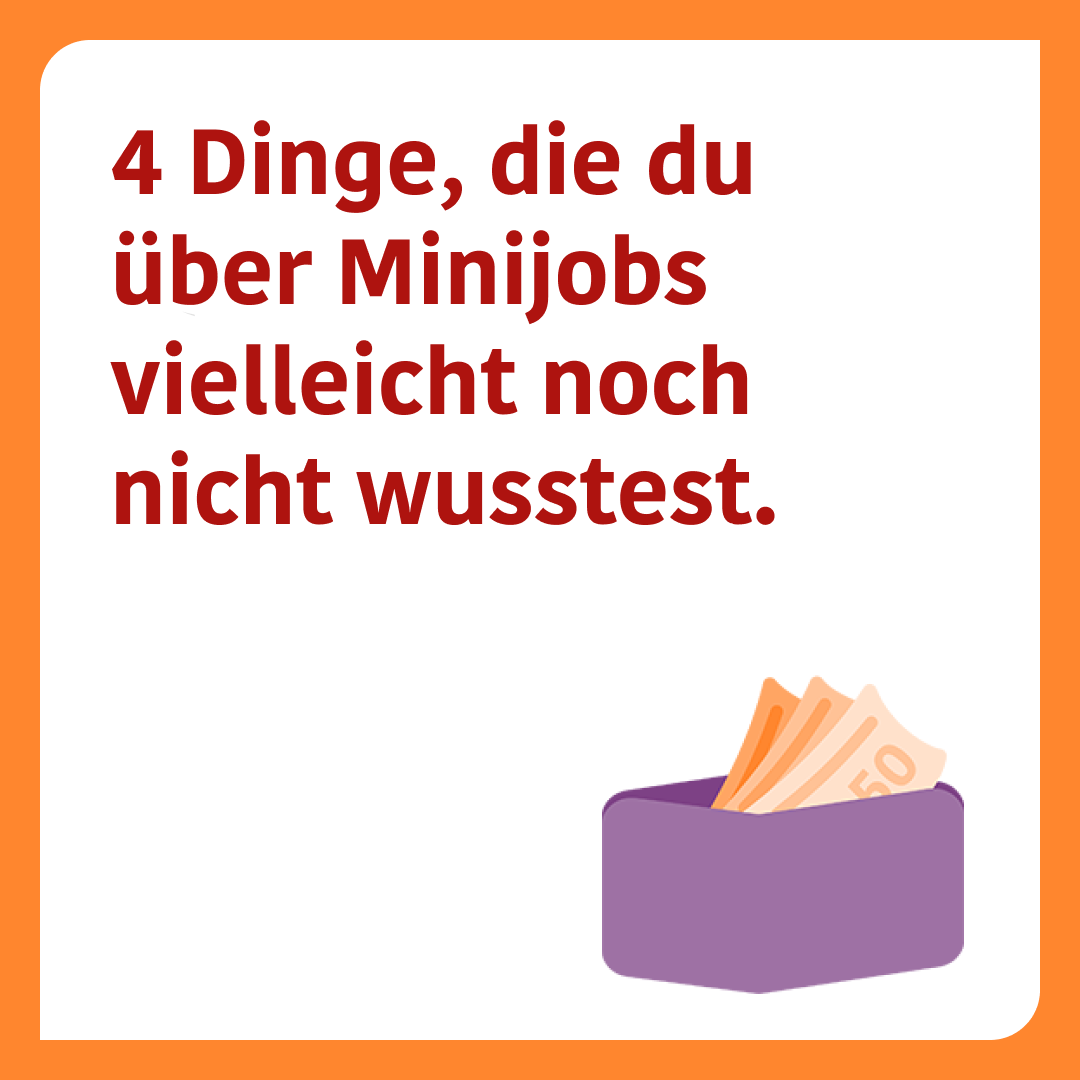
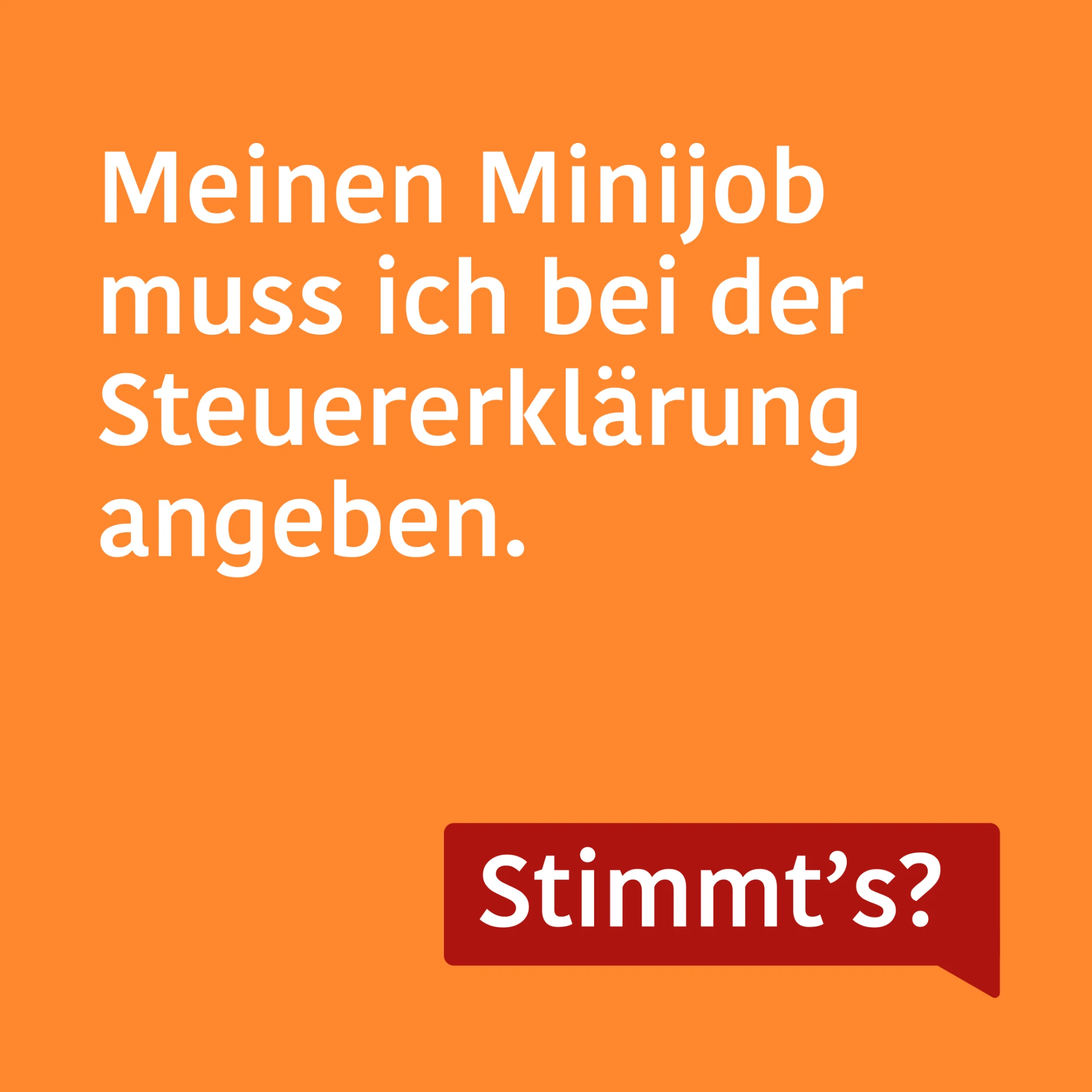
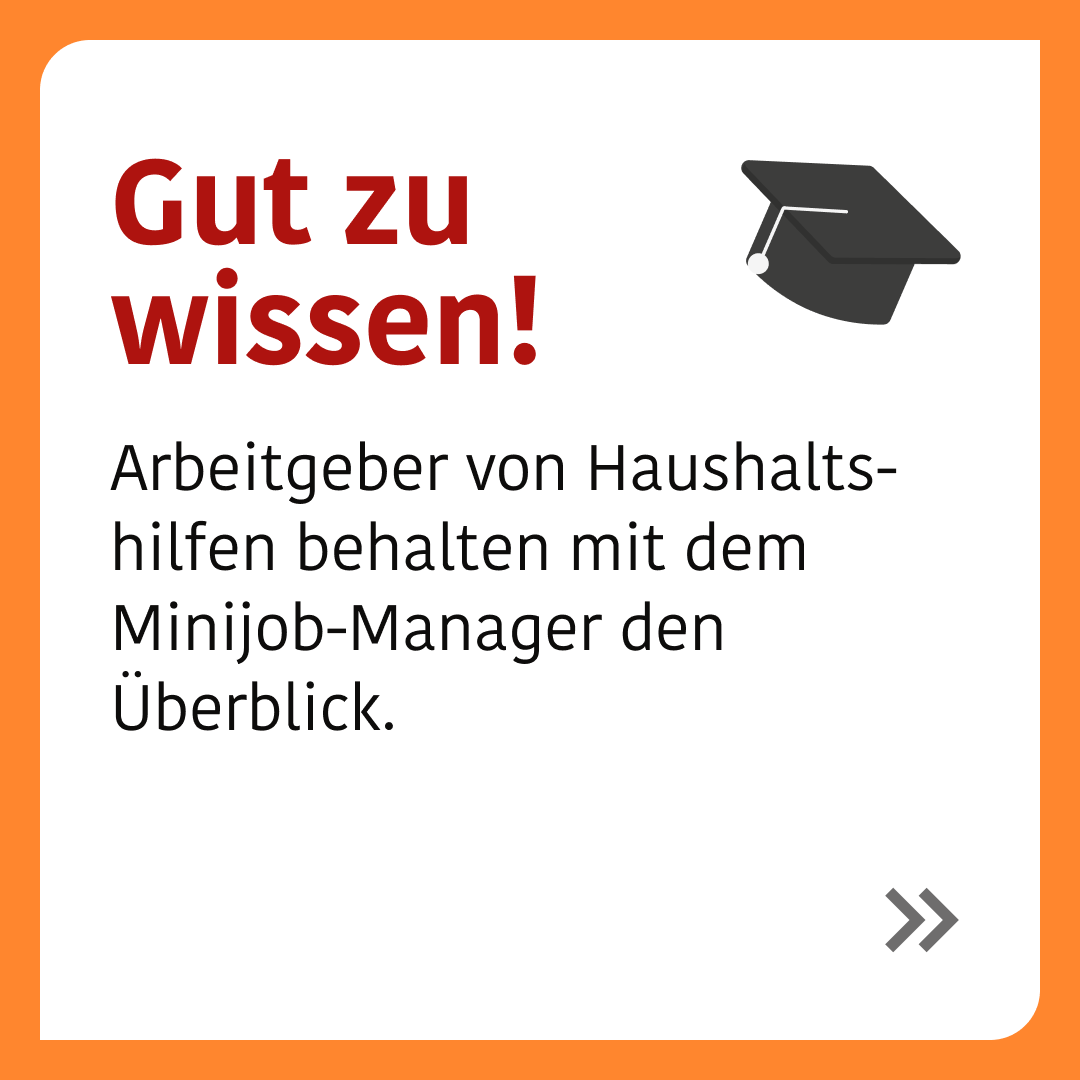
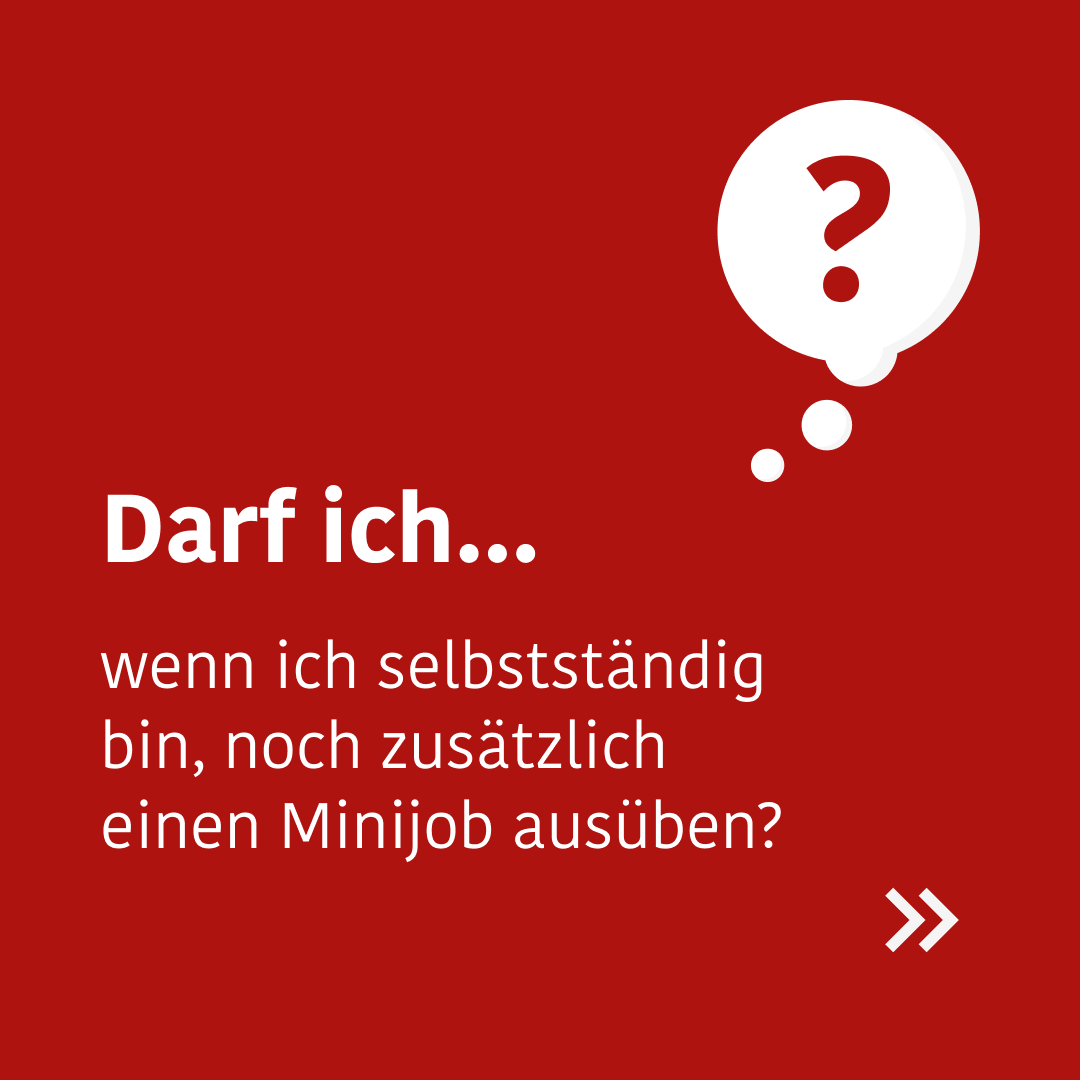
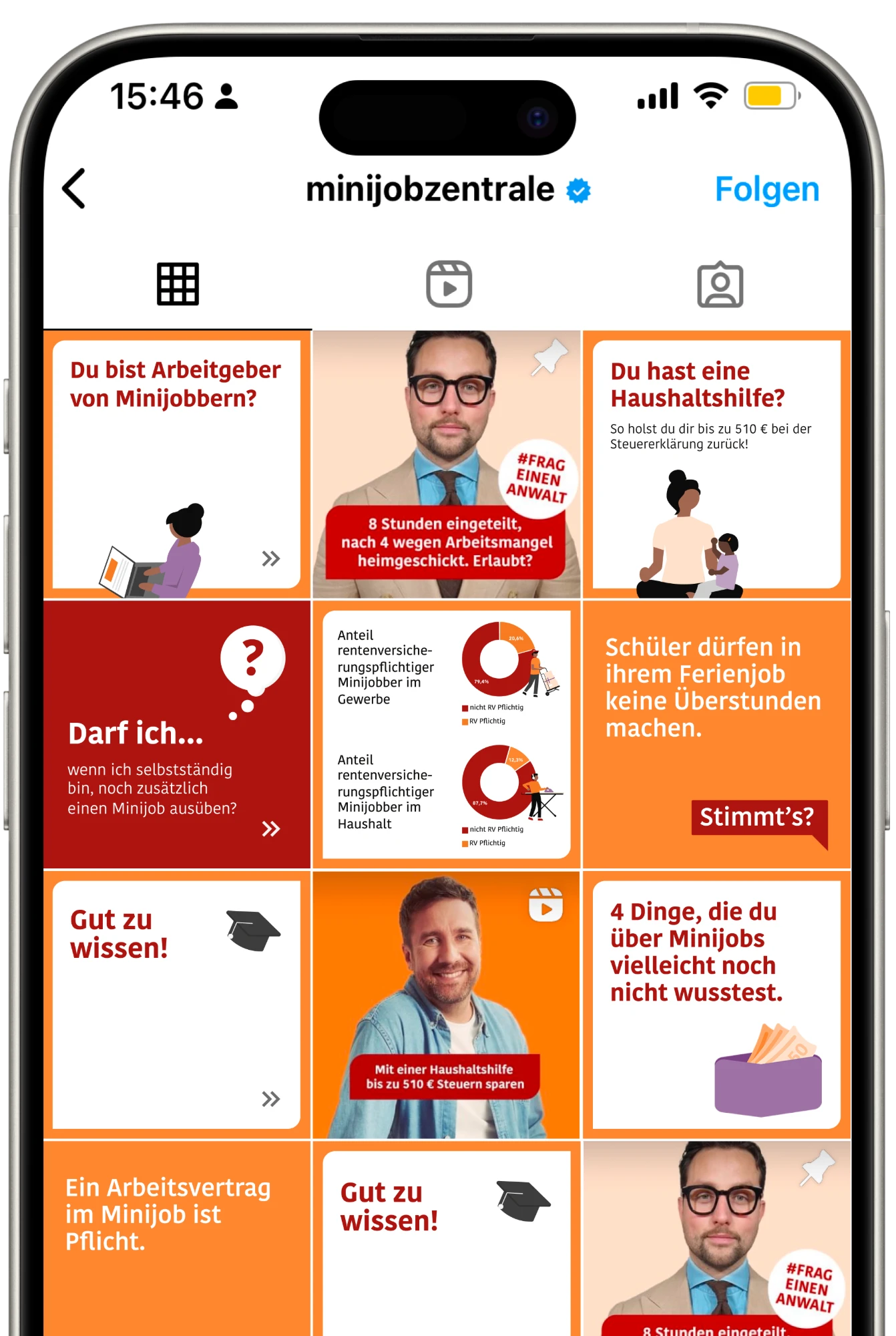
Social media: new, yet recognisable
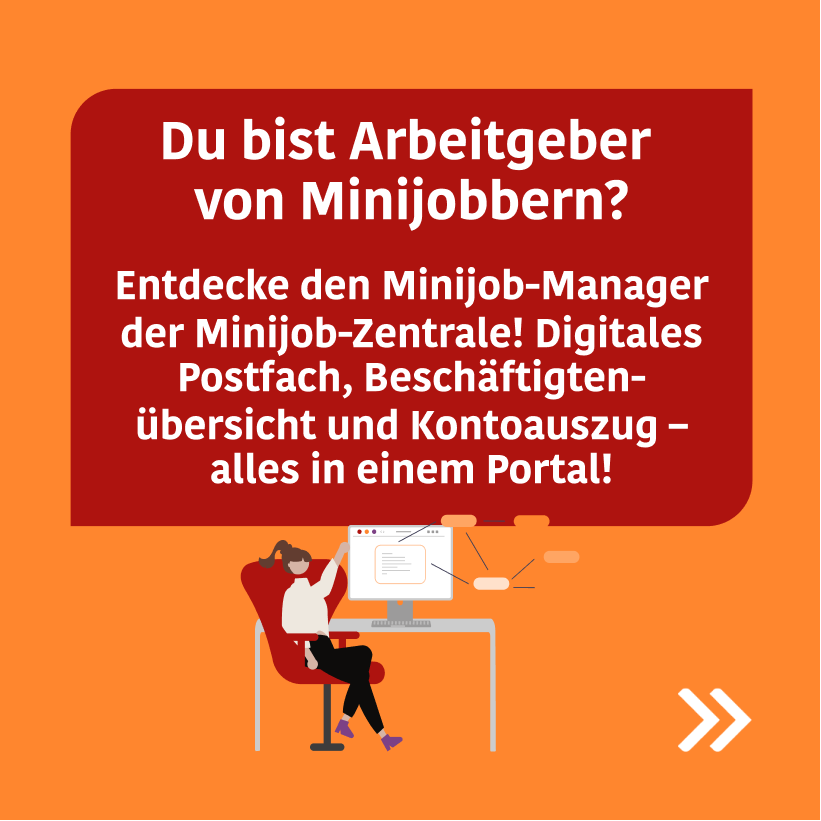
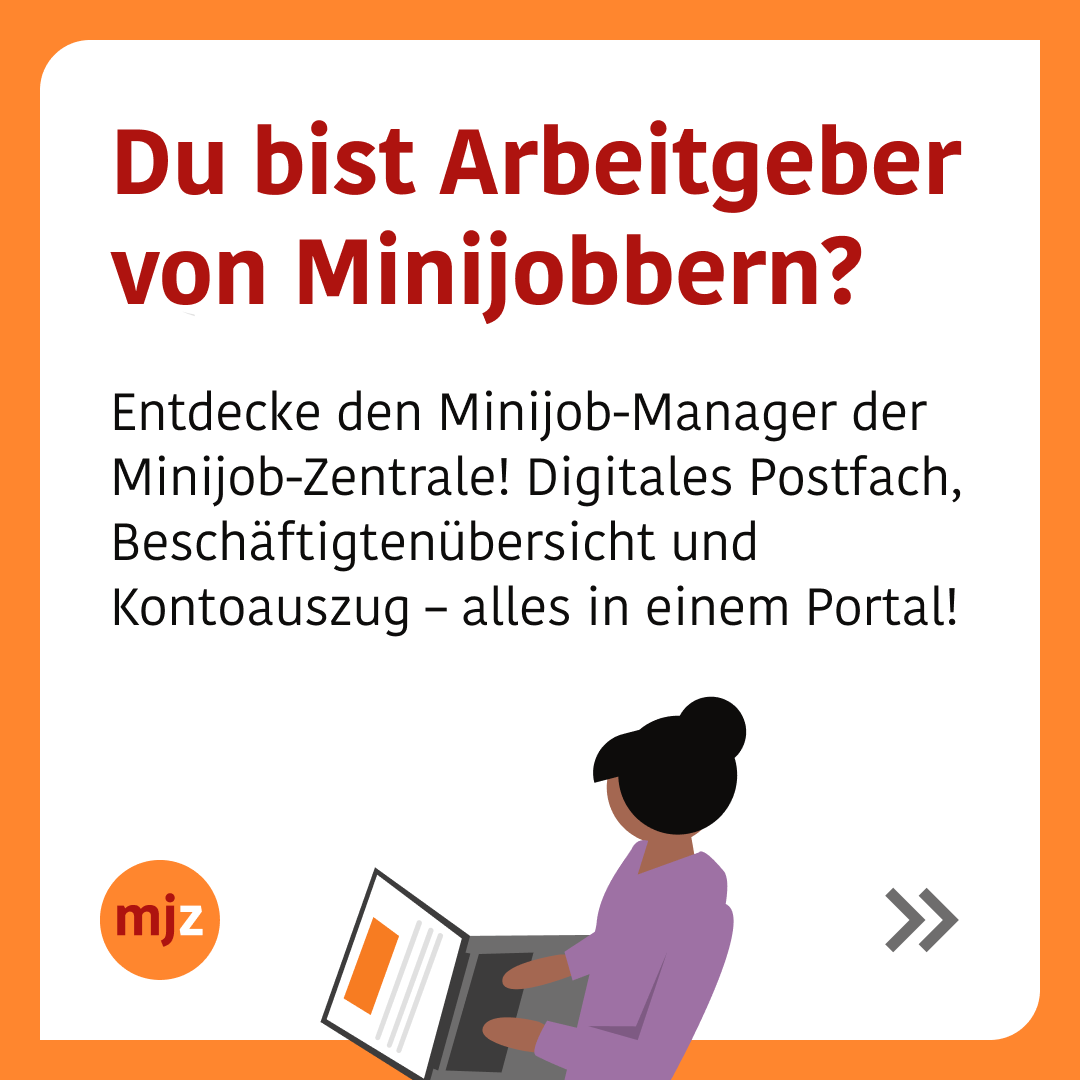
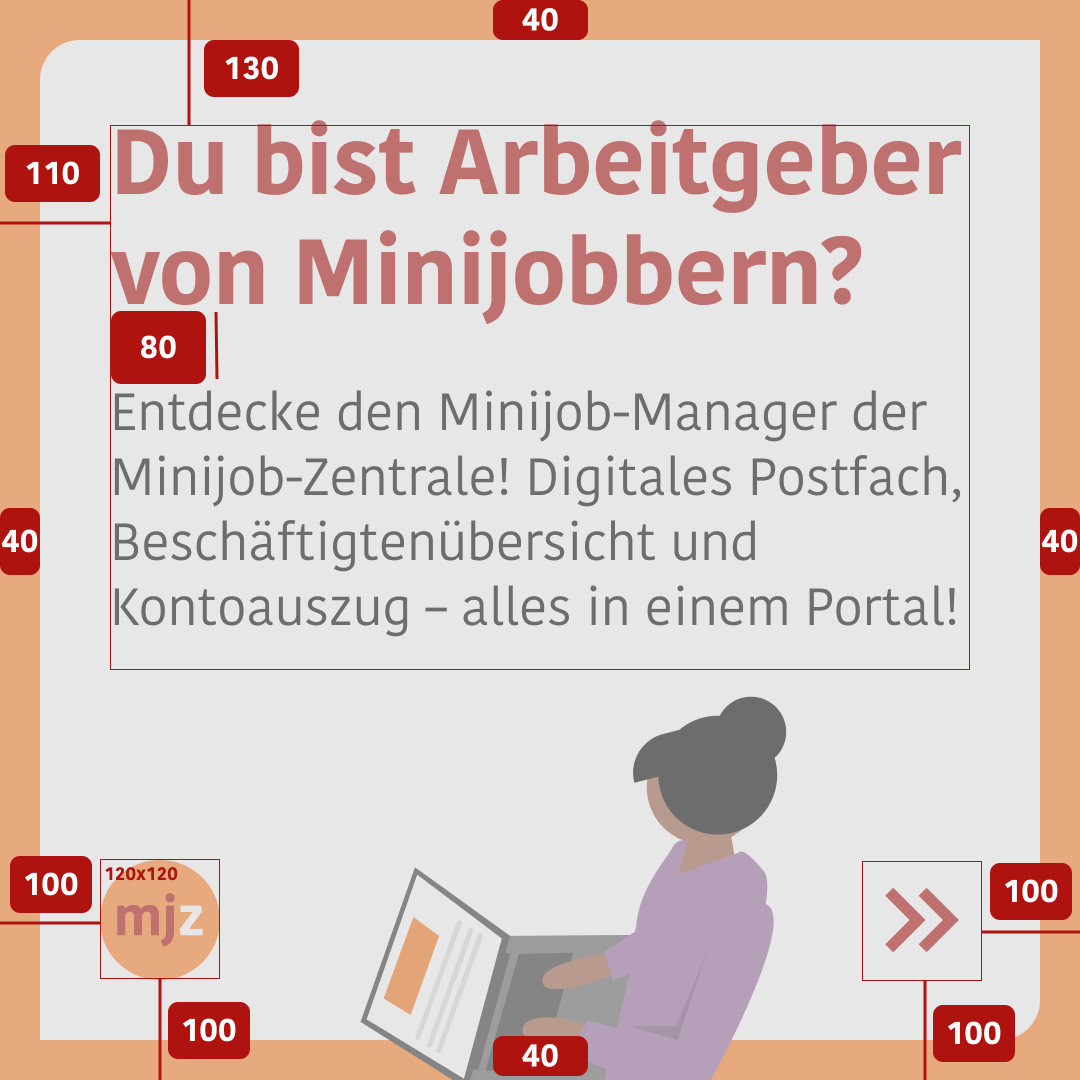
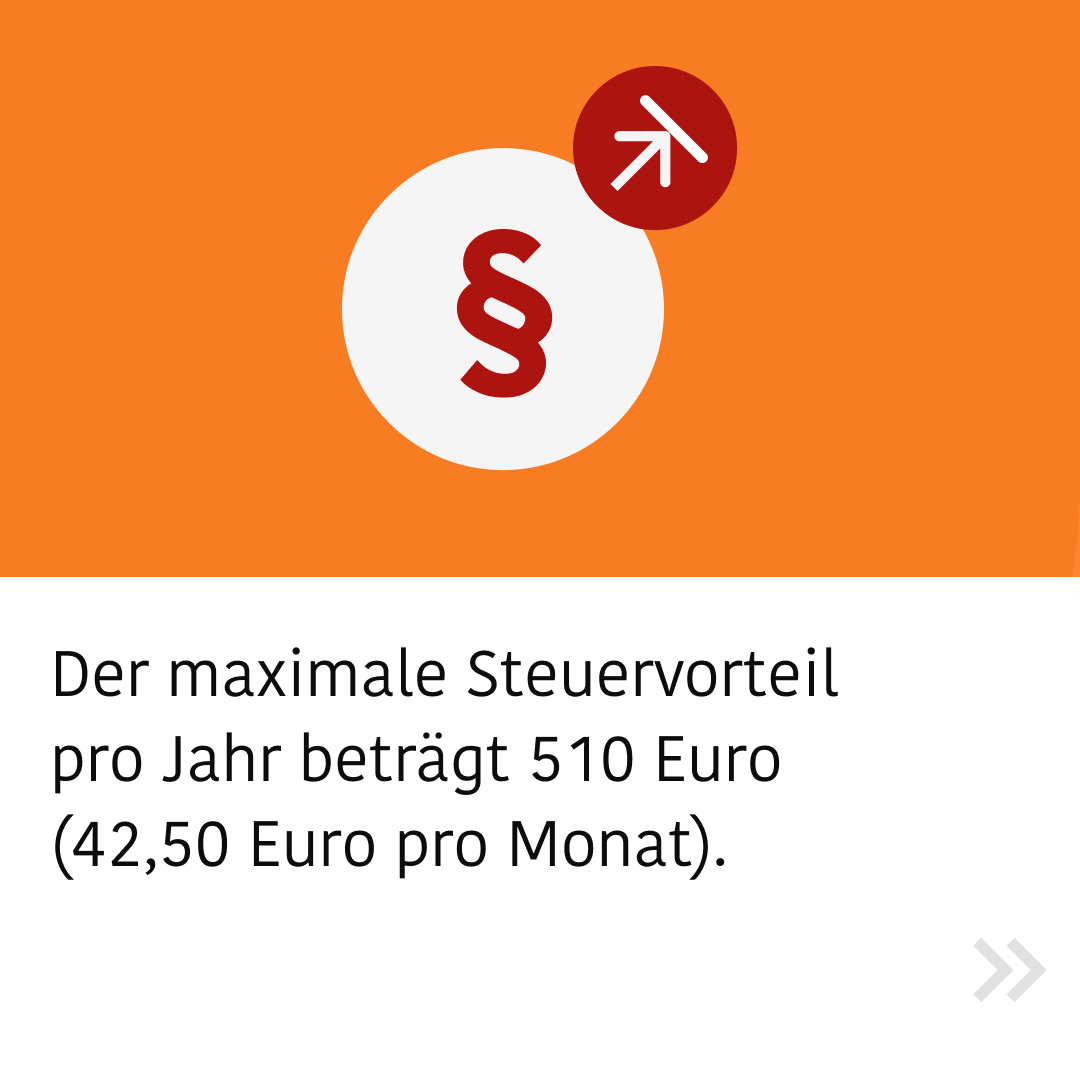
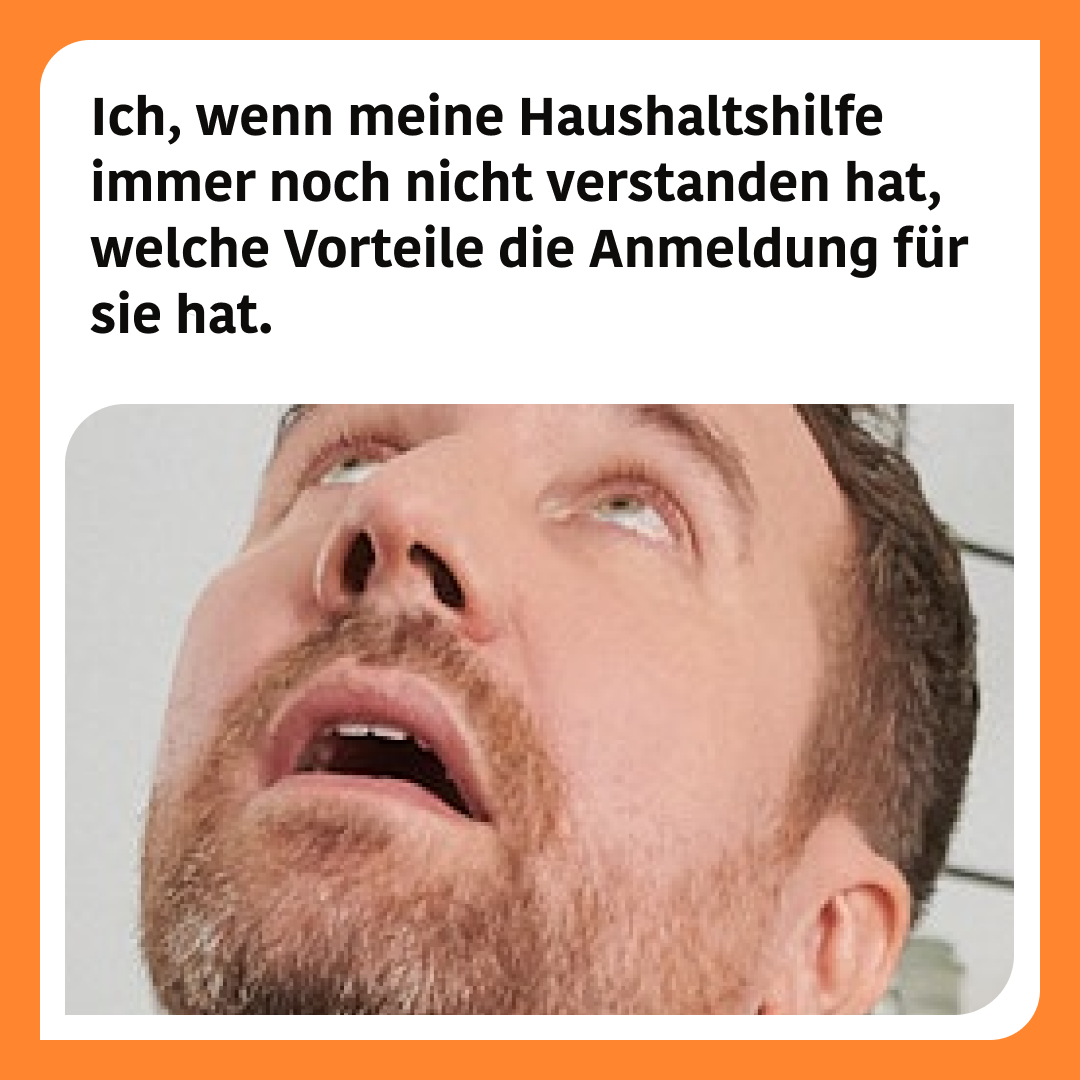
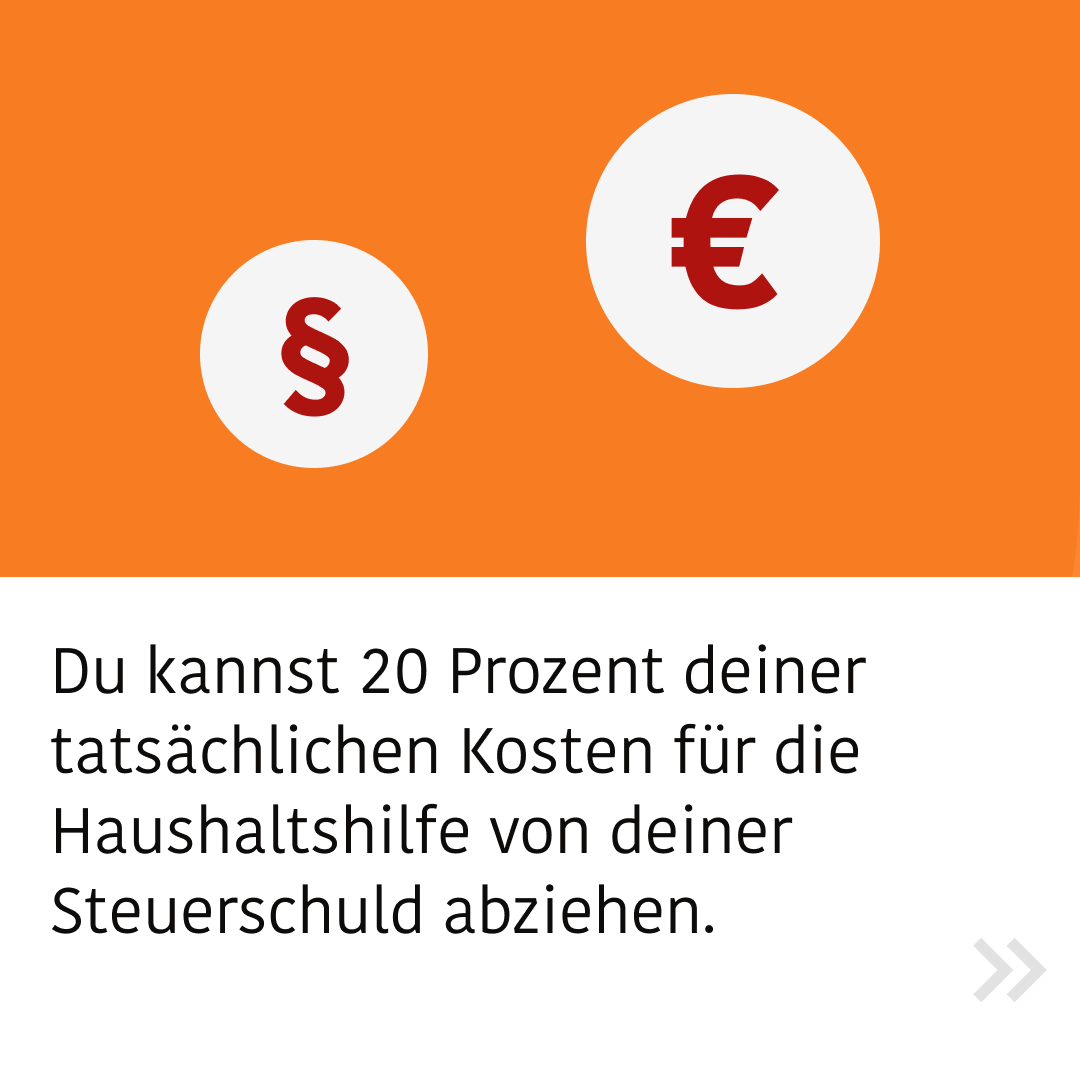
I was also lucky enough to shape the new presence on digital channels. Today it positions the Minijob-Zentrale as more contemporary and approachable. Thanks to ready-made templates, even interns and junior designers create content in the new look on their own.
The challenge: becoming modern without giving up the established identity the Minijob-Zentrale values so highly.
See more?
Sokra
Branding · Web app

Querfeld
Web design · E-commerce
Gone, but never forgotten.
Archive
Advertising · Campaigns · Posters